
Critical Fibre Installation Components Installers Commonly Overlook (and Why They Matter)
In fibre optic installations, performance issues are rarely caused by the main cable alone. More often, failures come from small supporting components that are underestimated, missing, or incorrectly selected.
These overlooked items can lead to:
- unexpected signal loss
- certification failures
- intermittent network faults
- costly rework on-site
This guide outlines the most commonly missed fibre installation components, why they matter, and how they affect real-world network performance.
1. Fibre Cleaning Tools and Consumables
Connector contamination is one of the leading causes of optical loss and link failure.
Even microscopic dust particles can:
- increase insertion loss
- cause reflectance issues
- lead to unstable link performance
Why this is commonly overlooked
Installers often assume factory-terminated cables are “ready to use”. In practice, every connection point exposed during installation is at risk.
Real-world impact
In data centres and industrial environments, a single contaminated LC connector can bring down high-speed links such as 10G or 40G circuits.
Best practice
- Clean every connector before mating
- Inspect under magnification where possible
- Never assume a connector is clean, even if it is new

2. Fibre Loopback Modules
Loopback modules are often forgotten during commissioning and testing phases.
What they do
They allow technicians to:
- verify transmitter and receiver performance
- isolate faults in active equipment
- validate port functionality during staging
Why they matter
Without loopback testing, faults may be incorrectly attributed to:
- cabling infrastructure
- patch panels
- or transceivers
This leads to unnecessary troubleshooting and wasted time on-site.

3. Fibre Attenuators
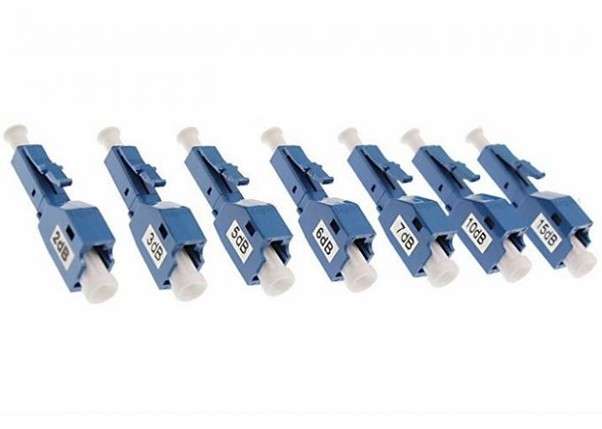
Attenuators are critical in short-distance high-power applications.
The problem they solve
In some fibre links, optical power is too strong for the receiver, particularly in:
- data centres
- lab environments
- short-haul singlemode links
What happens if they are missing
- receiver overload
- unstable link performance
- intermittent packet loss
Key point
Attenuation is not just about “reducing power” — it is about maintaining receiver tolerance within specification.
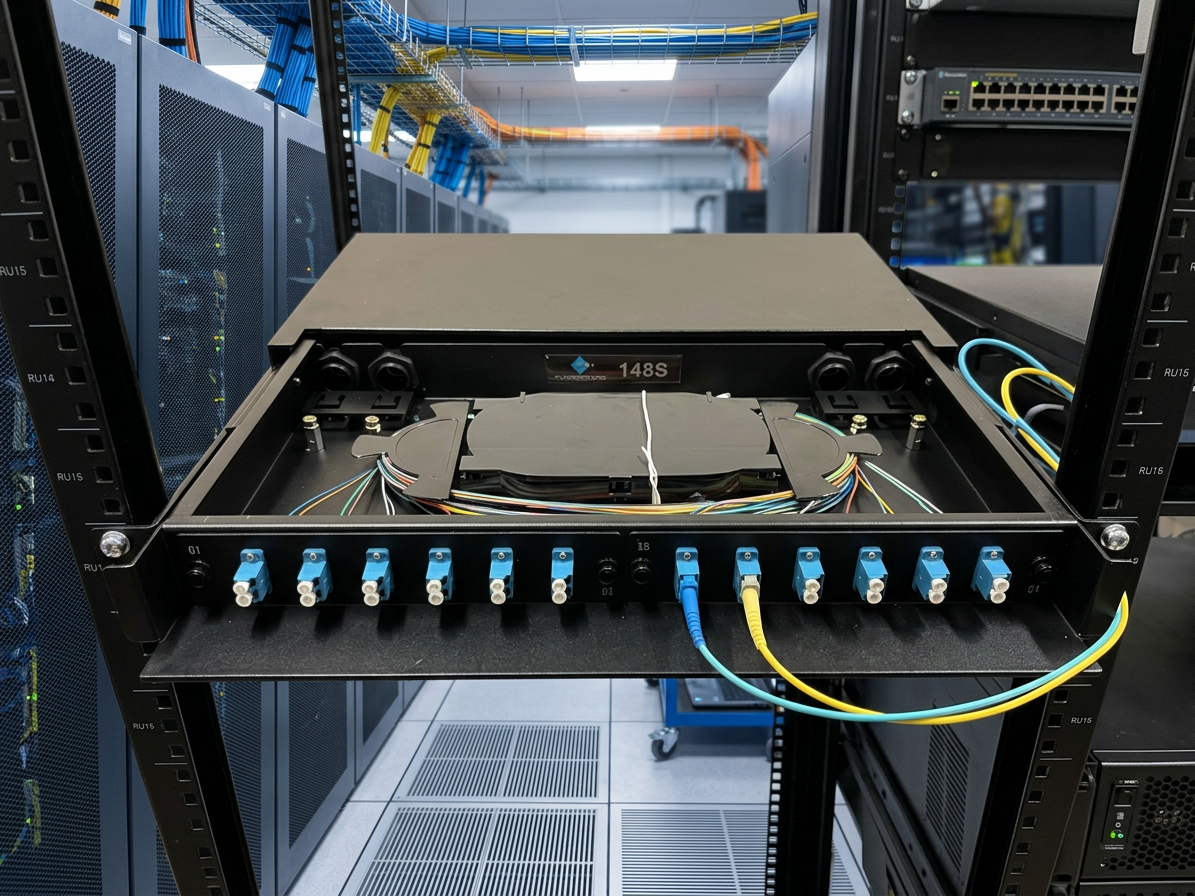
4. Patch Panels and Cable Management Hardware
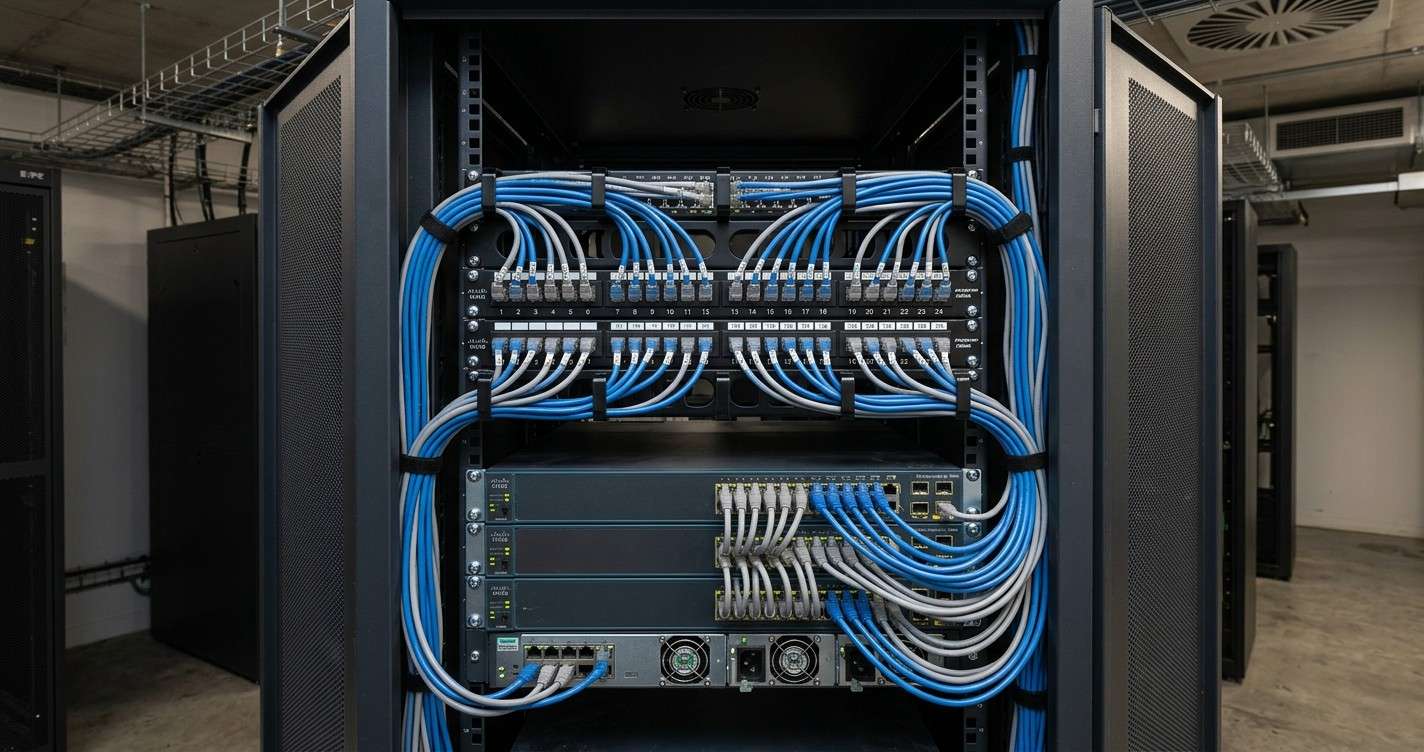
Patch panels are often treated as passive infrastructure, but they play a critical role in long-term network reliability.
Why they are overlooked
They are seen as “standard infrastructure items” and not performance-related components.
Why they matter
Poor patch panel selection or installation can result in:
- excessive bend radius stress
- connector strain
- increased insertion loss over time
Proper fibre management ensures:
- stable physical routing
- reduced micro-bending losses
- easier maintenance and upgrades
5. Termination Kits and Field Tooling
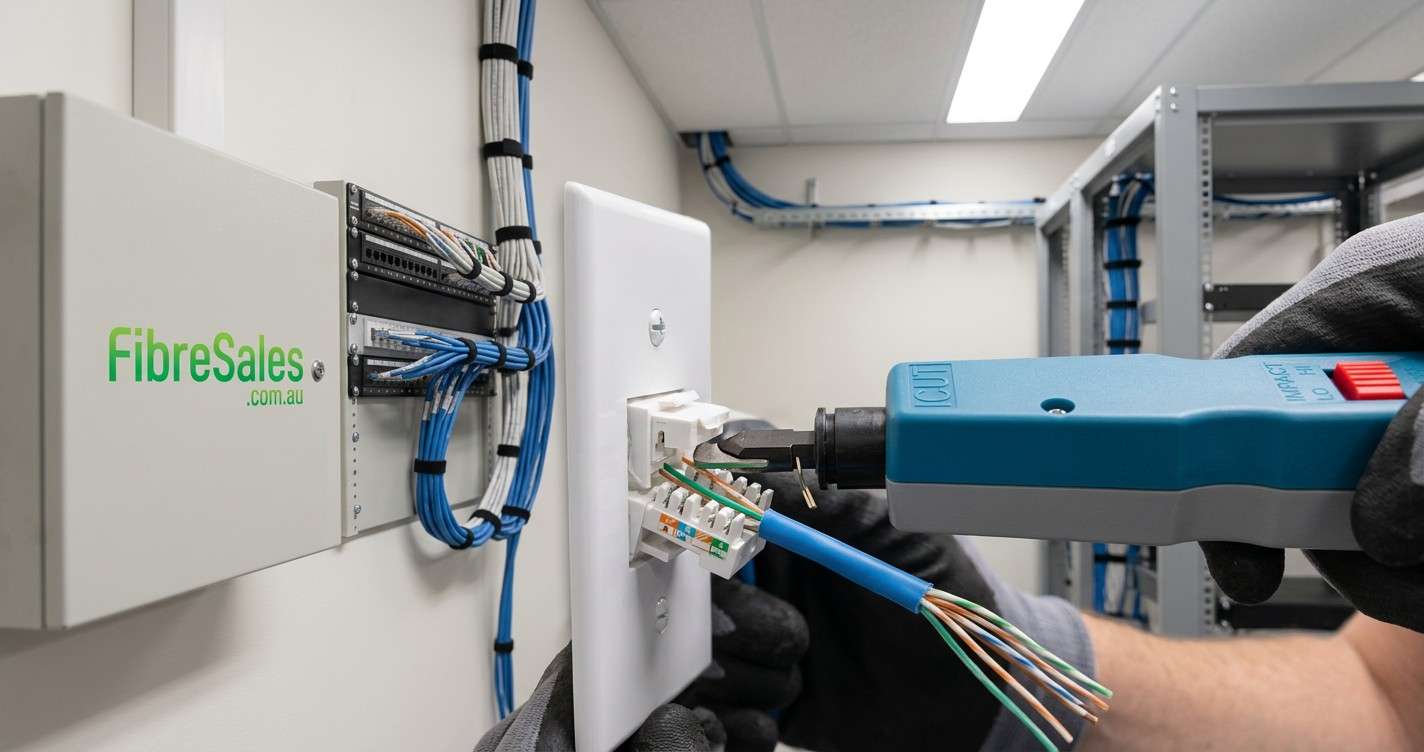
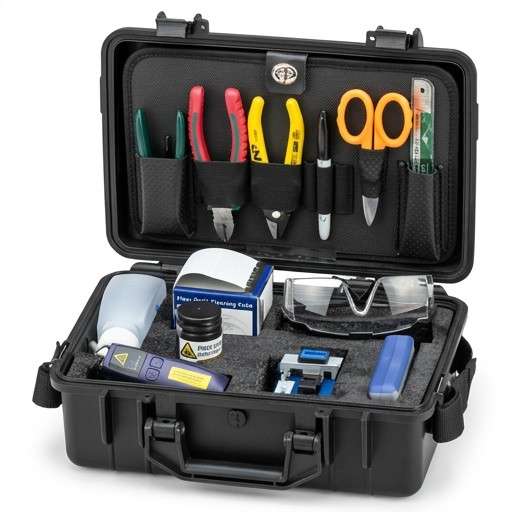
Field termination quality directly affects network performance.
Common issue
Low-quality or incomplete termination kits result in:
- inconsistent connector quality
- higher insertion loss
- increased return loss
Why it matters
Even if fibre cable is high quality, poor termination can reduce performance below acceptable standards.
Best practice
Use complete termination systems that include:
- precision cleaving tools
- inspection microscopes
- certified consumables
6. Armoured and Protective Accessories
Mechanical protection is often underestimated in fibre planning.
Where failures occur
- underground installations
- industrial environments
- mining operations
- high-traffic pathways
What happens when protection is insufficient
- micro-bending losses
- cable damage during installation
- long-term degradation of signal quality
Proper protection ensures fibre longevity and reduces maintenance costs.
7. Spare Fibre Components and Maintenance Stock
Many installers do not plan for future maintenance requirements.
Why this matters
Fibre networks are rarely static. Over time, systems require:
- replacements
- upgrades
- emergency repairs
Without spare components, downtime increases significantly.
Recommended spares include:
These kits often include:
- Fibre cleaning tools and consumables
- Spare patch leads
- Adaptors and couplers
- Pigtails
- SFP modules
- Media converters
- Cable management accessories
- Labelling materials
- Testing accessories
Many professional contractors now maintain dedicated “installer essentials” kits containing the products most commonly forgotten onsite.
Rather than viewing these items as optional extras, successful installers treat them as essential operational tools.
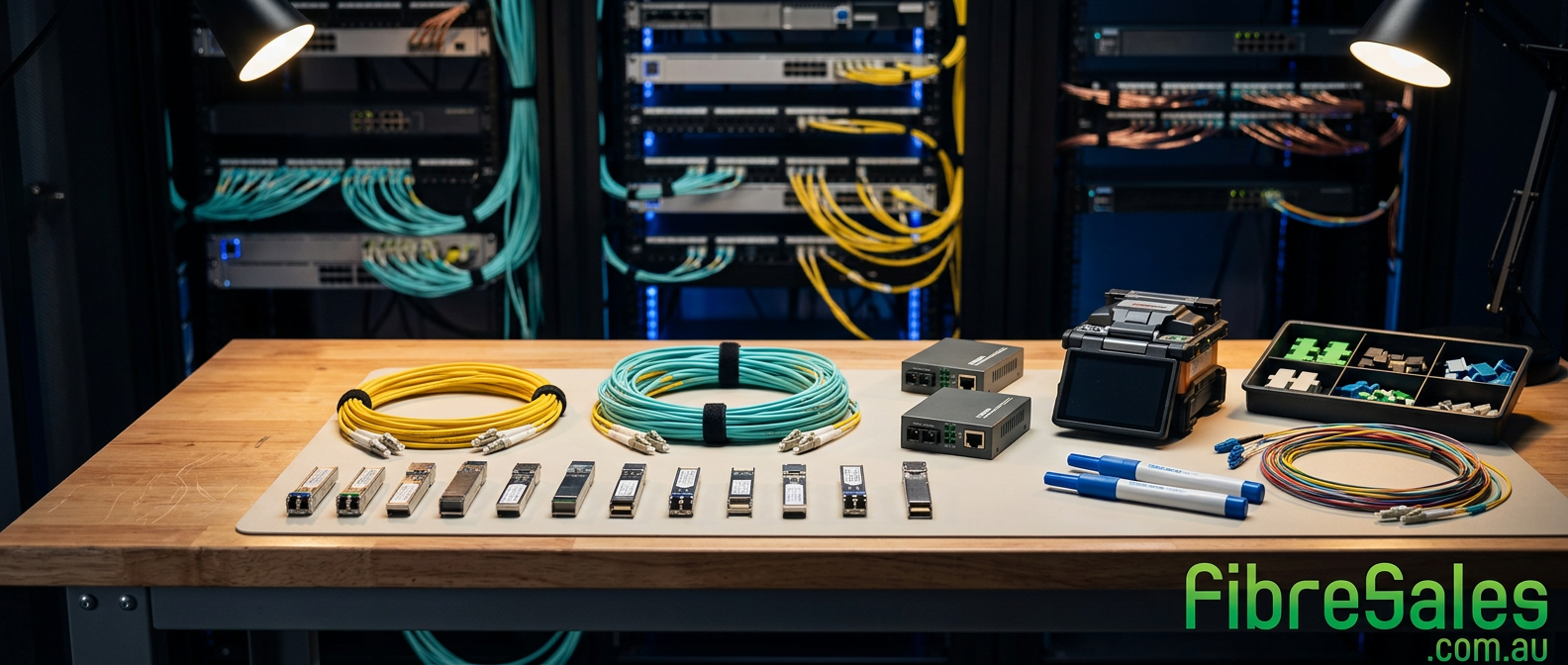
8. SFP Modules: Small Devices with Big Importance
SFP modules are another product that frequently becomes a last-minute requirement.
Modern networks rely heavily on transceivers for connectivity between switches, routers, media converters, and active networking equipment. However, compatibility requirements and varying network speeds often make SFP selection more complicated than expected.
Technicians may arrive onsite only to discover they require a different wavelength, connector type, or transmission distance than originally planned. Without spare modules available, installations can stall while waiting for replacements.
Keeping a selection of common SFP and SFP+ modules available provides installers with greater flexibility during deployment and troubleshooting.
This is particularly valuable for contractors servicing multiple customer environments where equipment brands and network configurations vary significantly between projects.
Having the correct module ready can mean the difference between completing an installation on schedule or losing valuable hours waiting for parts.

9. Media Converters Continue to Solve Everyday Networking Challenges
Although many modern networks operate entirely on fibre or Ethernet infrastructure, media converters remain extremely useful across commercial and industrial installations.
They provide a practical way to bridge fibre and copper connections while extending network reach and supporting legacy equipment. Media converters are commonly used in security systems, industrial networking, remote communications, and temporary infrastructure deployments.
Despite their usefulness, they are often overlooked until the exact moment they are needed.
Many technicians only realise a media converter is required once they encounter incompatible interfaces or distance limitations onsite. Having suitable converters readily available allows installers to adapt quickly without redesigning network layouts or delaying installations.
For many contractors, keeping a small range of media converters in workshop stock or service vehicles is a simple way to improve responsiveness and maintain installation momentum.

Why Prepared Installers Work More Efficiently
Preparation is one of the biggest differences between average installations and professional project delivery.
Experienced technicians know that productivity onsite depends heavily on avoiding unnecessary interruptions. Every unexpected trip back to the workshop, supplier, or warehouse reduces efficiency and increases project costs.
Keeping commonly used products stocked in advance provides several important advantages:
Reduced Downtime
Installers can solve issues immediately instead of waiting for parts or rescheduling work.
Faster Commissioning
Having the correct accessories available allows testing and handover processes to proceed smoothly.
Fewer Callbacks
Proper cleaning, patching, and connector management reduce the likelihood of intermittent faults appearing after installation.
Improved Professionalism
Prepared technicians create stronger customer confidence and deliver more reliable project outcomes.
Better Workflow Efficiency
Teams spend less time sourcing products and more time completing installations.
These benefits may seem small individually, but over multiple projects they create significant improvements in productivity and customer satisfaction.
Supporting Installers Across Australia
At fibreSales, we understand the demands technicians face in the field because our products support real-world installations every day.
From data centres and enterprise networks through to mining, industrial, and telecommunications environments, installers rely on having dependable products available when time matters most.
That is why we supply a wide range of fibre optic essentials designed to help technicians maintain workflow efficiency, reduce downtime, and complete projects with confidence.
Whether you need cleaning consumables, patch leads, adaptors, SFP modules, or supporting accessories, having the right products ready before the job starts can save significant time later.
The Small Products That Make a Big Difference
In fibre optic networking, success often comes down to attention to detail.
Large infrastructure components may form the backbone of the network, but smaller products keep installations running smoothly day after day. Cleaning tools protect signal quality. Patch leads maintain connectivity. Adaptors provide flexibility. SFP modules enable communication. Media converters solve compatibility challenges.
Individually, they may seem minor.
Together, they help installers avoid delays, reduce troubleshooting, and deliver professional results consistently.
Because in the real world of fibre installation, it is often the smallest missing item that creates the biggest problem.
Key Takeaway
Fibre optic performance is not determined by cable alone.
It depends on the ecosystem of supporting components that ensure:
- signal integrity
- mechanical reliability
- installation quality
- long-term maintainability
Installers who overlook these elements often face avoidable faults and commissioning delays.
A reliable fibre network is built from the small details as much as the main infrastructure.